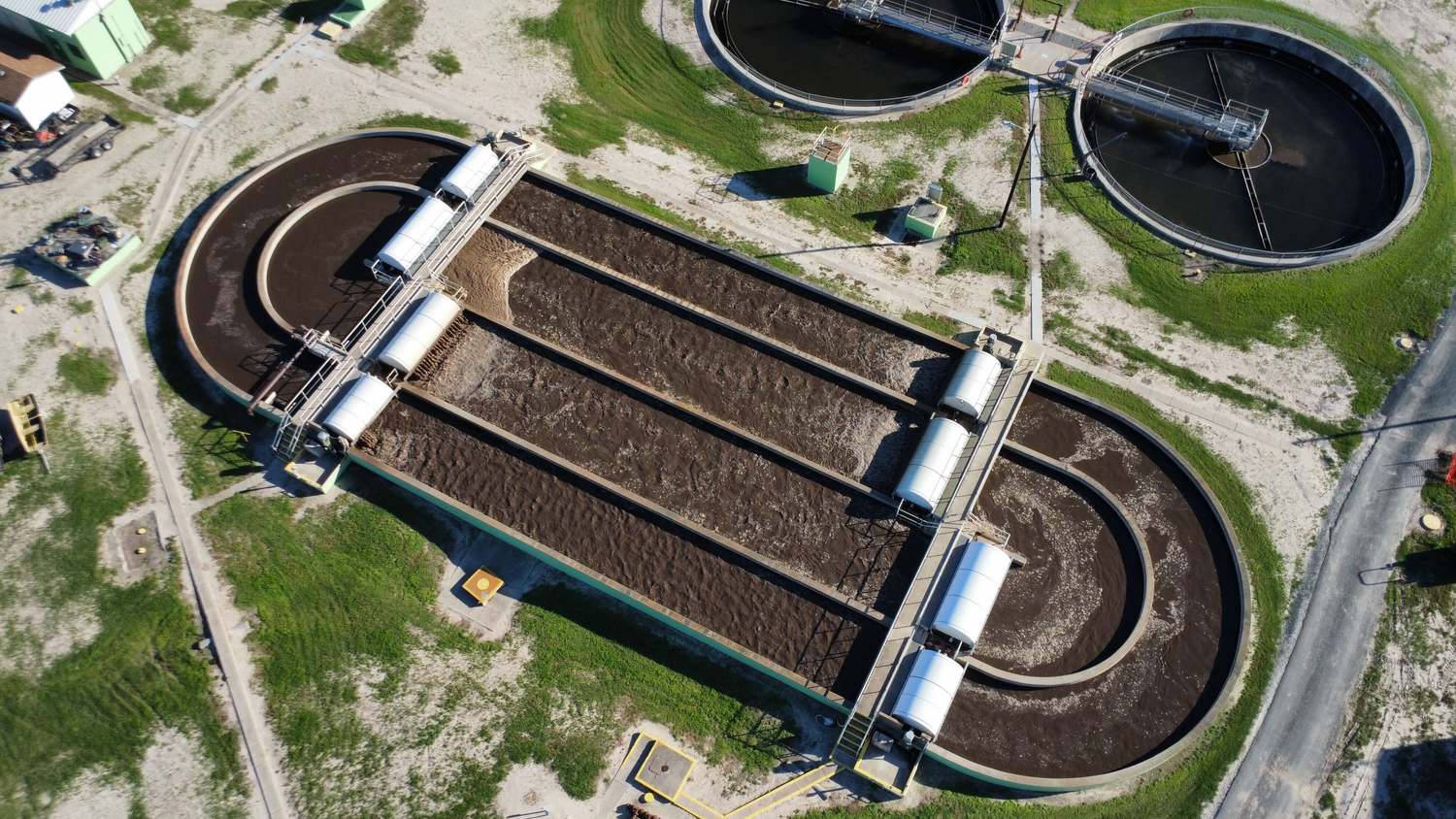
Built for Reliable Wastewater Operation
Mercer Controls designs and builds lift station control panels engineered specifically for municipal wastewater systems. From simple, cost-effective panels to fully integrated, remotely monitored systems, each panel is custom-designed to match the needs of the station and the operator.
Our panels are built to be reliable, serviceable, and easy to operate in the field.
Flexible Control Methods
We support a wide range of level sensing and control strategies, including:
- Float and relay-based control
- Ultrasonic level measurement
- Submersible pressure transducers
- Bubbler systems
- Hybrid control strategies
Panels can be configured for two-pump, three-pump, or multi-pump lift stations with alternation, lead/lag control, and alarm management.


From Simple to Fully Integrated
Mercer Controls builds lift station panels across the full spectrum of complexity:
- Basic panels for small or remote stations
- Panels with VFDs, soft starters, and advanced motor protection
- SCADA-ready panels with secure remote access
- Integrated alarm and auto-dialer systems
Each solution is tailored to your budget, infrastructure, and long-term operational needs.
Choosing How the Station Senses Level
The list above is the menu. Which one belongs at your station depends on what your wet well does to equipment, and on how much maintenance you want to sign up for.
- Floats. Simplest and cheapest, and the easiest thing for an operator to understand and replace at 2 a.m. They also grease up, tangle and hang, which is why we rarely build a station on floats alone.
- Submersible pressure transducer. Continuous level, which makes alternation, trending and pump-run analysis possible. Needs its vent path kept dry, and wants a backup float above it.
- Ultrasonic. Nothing hanging in the water. In exchange it is sensitive to foam, to grease building on the face of the sensor, and to turbulence directly underneath it.
- Bubbler. Tolerates a genuinely nasty wet well because the sensing element never goes in it. Trades that for a compressor and tubing that need maintaining.
- Hybrid. In practice the most reliable stations are hybrid — a continuous sensor doing the controlling, and an independent high-level float that can still raise an alarm when the primary sensor is lying to you.
Backups Are the Whole Point
A lift station has no tolerance for a single point of failure. When a treatment plant has a problem you have hours; when a lift station stops, the consequence ends up in the street, and an overflow is a reportable event as well as an expensive one. We design accordingly.
- Hand-off-auto, so an operator can run a pump with the controller out of the picture entirely
- An independent high-level alarm float, wired so that it still works when the primary level sensor does not
- Alternation and lead/lag, so one pump is not quietly taking the whole duty
- Seal fail and over-temperature monitoring, so a pump tells you it is in trouble before it fails
- Alarm callout to a phone, text or email — see alarm notification and autodialers
What Actually Kills Lift Station Panels
- Hydrogen sulphide. A wastewater atmosphere eats contacts, relays and circuit boards from the inside out. A panel that looks sound from the outside can be badly corroded within, which is why we open them on a maintenance visit rather than judging by the door.
- Moisture and heat. Condensation forming inside the enclosure overnight, and Texas sun on the outside of it all afternoon.
- Grease. On floats, on transducer cables, on anything else hanging in the wet well.
- Lightning and surge. Long power and signal runs out to a remote station make an easy target — see lightning protection.
If a station is already misbehaving — pumps short-cycling, a high level alarm nobody can clear, alternation stuck on one pump, a breaker that keeps tripping — that is a call rather than a quote. See 24/7 emergency service.
Designed for Operators and Long-Term Service
Our lift station panels feature clean wiring, clear labeling, and logical layouts that simplify troubleshooting and maintenance. Because we also service what we build, panels are designed for long-term reliability and ease of support.
To discuss a lift station control panel for your system, contact us today.
📞 (361) 782-7168